
- Abbreviation: RPVAntiretroviral Subclass:Nonnucleoside reverse transcriptase inhibitors
Background
- U.S. Manufacturer:
Approval
Rilpivirine was granted approval by the U.S. Food and Drug Administration (FDA) in May 2011 for adults with HIV-1 infection. It is intended for use in initial therapy, in combination with other antiretroviral agents, for patients with pretreatment HIV RNA levels of <100,000 copies/mL. Approval was based primarily on 48-week results of 2 Phase III studies showing that previously untreated individuals who received rilpivirine + 2 nucleoside/nucleotide analogues (NRTIs) had rates of viral suppression and CD4 T-cell increases that were similar to those of individuals who received efavirenz + NRTIs.(1),(2)
Generic Approval
NA
Formulations and Dosing
Rilpivirine is available in tablet formulation. Rilpivirine also is available in single-pill combinations with emtricitabine and tenofovir alafenamide (Odefsey), with emtricitabine and tenofovir disoproxil fumarate (Complera, Eviplera), and with dolutegravir (Juluca).
- Rilpivirine must be taken with a meal.
- Rilpivirine interacts with a number of antiretroviral medications; see Database of Antiretroviral Drug Interactions for information on recommended dosing adjustments for the interaction of rilpivirine with other antiretrovirals.
- No dosage adjustment is necessary in renal insufficiency.
- No dosage adjustment is necessary in Child-Pugh Class A or B liver disease. No recommendation has been made for dosage adjustment in Child-Pugh Class C hepatic impairment; use with caution.
- No dosage adjustment is required for pregnant women who were on a stable rilpivirine-containing regimen with virologic suppression before and during pregnancy. Lower serum levels of rilpivirine may occur during pregnancy, so HIV viral load should be monitored closely during pregnancy.
- Please consult product labeling for detailed dosing information.
Adult Dosing
Dosage Formulation Notes 25 mg QD with a meal Tablet Abbreviations: QD = once daily
Pediatric Dosing
Age Dosage Formulation Weight <12 years not FDA approved Tablet ≥12 years 25 mg QD with a meal Tablet ≥35 kg Abbreviations: QD = once daily
Formulations
 25 mgImage
Coformulations
Dolutegravir / Rilpivirine (Juluca)
 DTG 50 mg, RPV 25 mgImage
1 tablet daily 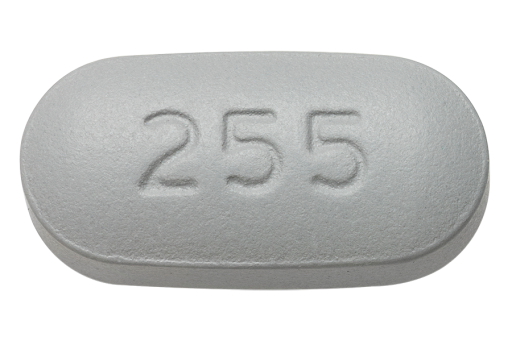 FTC 200 mg, RPV 25 mg, TAF 25 mgImage
1 tablet daily Film-Coated Tablets Emtricitabine / Rilpivirine / Tenofovir DF (Complera)
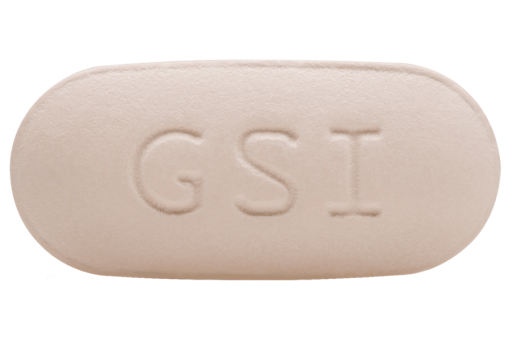 FTC 200 mg, RPV 25 mg, TDF 300 mgImage
1 tablet daily Film-Coated Tablets Cabotegravir / Rilpivirine IM (Cabenuva)
Clinical Use
Rilpivirine is active against susceptible strains of HIV-1; based on the results of in vitro studies, it is expected to have limited activity against HIV-2.
Initial vs Subsequent Therapy
Adult and adolescent treatment guidelines of the U.S. Department of Health and Human Services designate rilpivirine in combination with tenofovir/emtricitabine or tenofovir alafenamide/emtricitabine as "recommended initial regimens in certain clinical situations" for patients with pretreatment HIV RNA levels of <100,000 copies/mL and CD4 counts >200 cells/µL.
Two parallel randomized, placebo-controlled Phase III studies in antiretroviral-naive adults with HIV-1 infection compared rilpivirine with efavirenz, each in combination with 2 NRTIs (predominantly tenofovir + emtricitabine). By intention-to-treat analysis of pooled data from the 2 studies, 84% of rilpivirine recipients and 82% of efavirenz recipients had HIV RNA levels of <50 copies/mL at 48 weeks; the difference was not statistically significant.(1) The primary cause of failure of rilpivirine-containing regimens was virologic failure, and this was seen mainly in subjects with high pretreatment HIV RNA levels. In subjects with pretreatment HIV RNA levels of <100,000 copies/mL, the rate of virologic failure was comparable in the 2 groups (5% in each), but in subjects with pretreatment HIV RNA levels of >100,000 copies/mL, virologic failure was seen in 17% of rilpivirine recipients compared with 7% of efavirenz recipients. Virologic failure also was seen more commonly in rilpivirine recipients at lower pretreatment CD4 counts.(1),(3) Additionally, of the rilpivirine recipients who developed virologic failure, 63% had HIV with mutations associated with NNRTI resistance, and 68% had mutations associated with NRTIs (by comparison, of efavirenz recipients with virologic failure, 54% had evidence of resistance to NNRTIs and 32% had resistance to NRTIs).(3) Few subjects in the rilpivirine group discontinued treatment because of adverse effects (2%, compared with 7% of efavirenz recipients). The mean increase in CD4 count was 192 cells/µL in the rilpivirine group (compared with 176 cells/µL in the efavirenz group).
A smaller Phase IIb trial found comparable efficacy between rilpivirine (given 25 mg daily) and efavirenz, each in combination with 2 NRTIs. At 48 weeks, approximately 80% of subjects in both treatment groups had HIV RNA levels of <50 copies/mL; at 96 weeks, 76% of rilpivirine recipients and 71% of efavirenz recipients had virologic suppression to <50 copies/mL; differences were not statistically significant. The median CD4 increases were 138 cells/µL and 170 cells/µL, respectively.(4)
The combination of dolutegravir + rilpivirine has been studied in two parallel randomized open-label Phase III switch studies in patients on a stable 3-drug antiretroviral regimen. Subjects had to have had HIV RNA levels of <50 copies/mL for at least 12 months, no history of virologic failure, and no resistance to antiretroviral medications. They were randomized to switch to dolutegravir + rilpivirine or to continue their 3-drug regimen. After 48 weeks, 97% of both groups maintained HIV virologic suppression to <50 copies/mL, indicating noninferiority of the dolutegravir + rilpivirine regimen.(5) This combination has been approved by the FDA as a replacement regimen for persons who have been on a stable antiretroviral regimen for ≥6 months, have had HIV RNA suppression to <50 copies/mL for >12 months, no history of treatment failure, and no known drug mutations associated with resistance to dolutegravir or rilpivirine.(6)
Rilpivirine has not been studied in treatment-experienced patients with a history of virologic failure.
Adverse Effects
Symptomatic side effects of rilpivirine include headache, insomnia, and rash; rash typically was not serious and usually resolved without discontinuation of therapy. Additionally, Phase III studies have reported symptoms of depression in 8% of subjects who received rilpivirine, usually of mild to moderate severity.
Laboratory abnormalities include elevations in hepatic transaminases and modest elevations in serum creatinine, total cholesterol, and LDL cholesterol.
Prolongation of the cardiac QTc interval was observed in studies of HIV-uninfected subjects given supratherapeutic doses of rilpivirine. Coadministration of rilpivirine with other medications that prolong QTc may increase the risk of arrhythmia and should be avoided, or undertaken only with appropriate monitoring.
It is important to assess patient motivation and discuss possible adverse effects and strategies for their management before treatment with rilpivirine is initiated.
Rilpivirine has not been studied in pregnant women.
Interactions with Other Drugs
An acidic gastric environment is necessary for absorption of rilpivirine. Medications that increase gastric pH may substantially reduce serum rilpivirine concentrations. Proton pump inhibitors should not be given to persons taking rilpivirine. If H2 receptor antagonists are coadministered, they should be given at least 12 hours before or at least 4 hours after rilpivirine; antacids should be given at least 2 hours before or at least 4 hours after rilpivirine.
Rilpivirine is a substrate of hepatic cytochrome P450 3A, so drugs that induce or inhibit the action of this isoenzyme may alter serum rilpivirine levels. In some cases, these interactions may be therapeutically significant. For example, rifamycins (eg, rifampin and rifabutin), certain anticonvulsants (eg, carbamazepine and phenytoin), and St. John's wort may substantially decrease rilpivirine concentrations and should not be given to persons taking rilpivirine.(2) Macrolides and azole antifungals may increase rilpivirine levels. Of the antiretrovirals, protease inhibitors may increase rilpivirine concentrations, whereas the NNRTIs efavirenz, etravirine, and nevirapine may decrease rilpivirine concentrations. The effect of efavirenz may be significant and prolonged, even after efavirenz is discontinued; the management of this interaction (eg, when discontinuing efavirenz and starting rilpivirine) has not been firmly established, but one small single-arm study in patients with long-term virologic suppression showed that switching directly from efavirenz to rilpivirine maintained virologic control at 12 weeks.(7),(8)
Rilpivirine may affect the levels of other medications. For example, it decreases serum levels of ketoconazole and increases levels of atorvastatin metabolites.
Adequate pharmacokinetic data and clinical correlates are not yet available for many potential interactions. Information on drug interactions should be consulted, as dosage adjustments are frequently required and some combinations are contraindicated.
For additional information, see Database of Antiretroviral Drug Interactions.
Resistance
Resistance to rilpivirine is associated with the selection of 1 or more resistance mutations.
Implications of resistance to rilpivirine for treatment with other antiretrovirals
In the clinical studies described above (see Use in Initial vs Subsequent Therapy), a number of reverse transcriptase mutations have emerged in the setting of rilpivirine failure. The most common of these is E138K; others include V90I, K101E/P/T, V179I/D/L, Y181C/I/V, V189I, H221Y, F227C/L, and M230I/L. Phenotypic analysis shows reduced susceptibility to rilpivirine if these mutations are present. Among patients with resistance to rilpivirine, phenotypic evidence of cross-resistance to efavirenz and etravirine was found in approximately 90%, and cross-resistance to nevirapine was found in 62%.(2),(3),(4)
In Phase III studies, the development of both NNRTI- and NRTI-associated resistance mutations, and of cross-resistance, was more common in rilpivirine-containing regimens than in efavirenz-containing control regimens.
Implications of resistance to other antiretrovirals for treatment with rilpivirine
Data on the effects of baseline resistance mutations on rilpivirine efficacy are limited. Resistance mutations selected by other NNRTIs, including any of the substitutions listed above, would be expected to contribute to rilpivirine resistance. The K103N mutation, on its own, has not been associated with decreased activity of rilpivirine in vitro, but clinical data are lacking.(2),(3)
Resources and Links
References
- 1Cohen CJ, Molina JM, Cahn P, et al; ECHO Study Group; THRIVE Study Group. Efficacy and safety of rilpivirine (TMC278) versus efavirenz at 48 weeks in treatment-naive HIV-1-infected patients: pooled results from the phase 3 double-blind randomized ECHO and THRIVE Trials.J Acquir Immune Defic Syndr. 2012 May 1;60(1):33-42.
- 2Edurant Prescribing Information. Titusville, NJ: Janssen Therapeutics; 2012.
- 3Rimsky L, Vingerhoets J, Van Eygen V, et al. Genotypic and phenotypic characterization of HIV-1 isolates obtained from patients on rilpivirine therapy experiencing virologic failure in the phase 3 ECHO and THRIVE studies: 48-week analysis. J Acquir Immune Defic Syndr. 2012 Jan 1;59(1):39-46.
- 4Pozniak AL, Morales-Ramirez J, Katabira E, et al; TMC278-C204 Study Group. Efficacy and safety of TMC278 in antiretroviral-naive HIV-1 patients: week 96 results of a phase IIb randomized trial. AIDS. 2010 Jan 2;24(1):55-65.
- 5Crauwels H, Vingerhoets J, Ryan R, et al. Pharmacokinetic parameters of once-daily rilpivirine following administration of efavirenz in healthy subjects. Antivir Ther. 2012;17(3):439-46.
- 6Mills A, Cohen C, Dejesus E, et al. Switching from efavirenz/emtricitabine/tenofovir disoproxil fumarate (EFV/FTC/TDF) single tablet regimen (STR) to emtricitabine/rilpivirine/tenofovir disoproxil fumarate (FTC/RPV/TDF) STR in virologically suppressed, HIV-1 infected subjects. In: Program and abstracts of the 51st Interscience Conference on Antimicrobial Agents and Chemotherapy (ICAAC); September 17-20, 2011; Chicago. Abstract H2-794c.
- 7Llibre JM, Hung CC, Brinson C, Castelli F, Girard PM, Kahl LP, Blair EA, Angelis K, Wynne B, Vandermeulen K, Underwood M, Smith K, Gartland M, Aboud M. Efficacy, safety, and tolerability of dolutegravir-rilpivirine for the maintenance of virological suppression in adults with HIV-1: phase 3, randomised, non-inferiority SWORD-1 and SWORD-2 studies. Lancet. 2018 Mar 3;391(10123):839-849. doi: 10.1016/S0140-6736(17)33095-7. Epub 2018 Jan 6. Erratum in: Lancet. 2018 Feb 1;: PMID: 29310899.
- 8Juluca (dolutegravir and rilpivirine tablets) Prescribing Information. Research Triangle Park, NC: ViiV Healthcare US; 2017.
-